How to Grow Your Digital Presence: What Actually Matters for UK Businesses

Growing your digital presence is not about being active everywhere. It is about becoming easier to find, easier to trust, and easier to choose.

That distinction matters. A business can post every day and still generate very little. Another can publish less, but win more leads because its website is clear, its local signals are consistent, its reviews are visible, and its offer makes sense in seconds. That is the version of digital growth that actually compounds.

What digital presence growth really means

A stronger digital presence means three things are happening at the same time.

First, people can find you. That comes from search visibility, local listings, branded searches, referrals, and occasionally paid traffic.

Second, they trust what they see. That comes from a credible website, consistent business information, real reviews, professional branding, and signs that the business is active and legitimate.

Third, they know what to do next. That comes from clear service pages, simple calls to action, short forms, obvious contact details, and content that answers the questions buyers already have.

Most weak digital strategies fail because they overinvest in visibility before fixing trust and conversion. More traffic does not solve a confused message.

Start with the assets you fully control

If the foundation is weak, every growth channel becomes less efficient. Before you chase reach, fix the assets you own.

Website, domain, and business email first

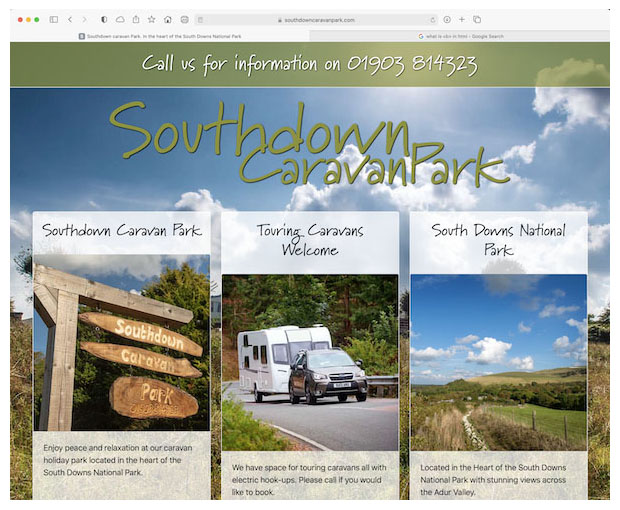
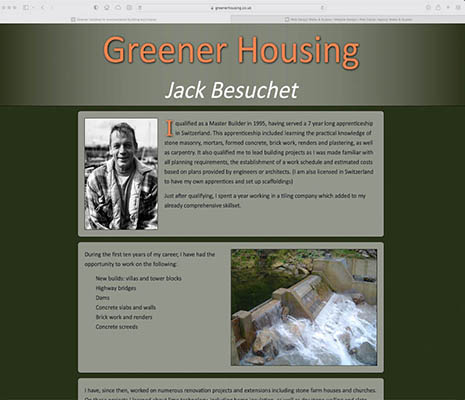
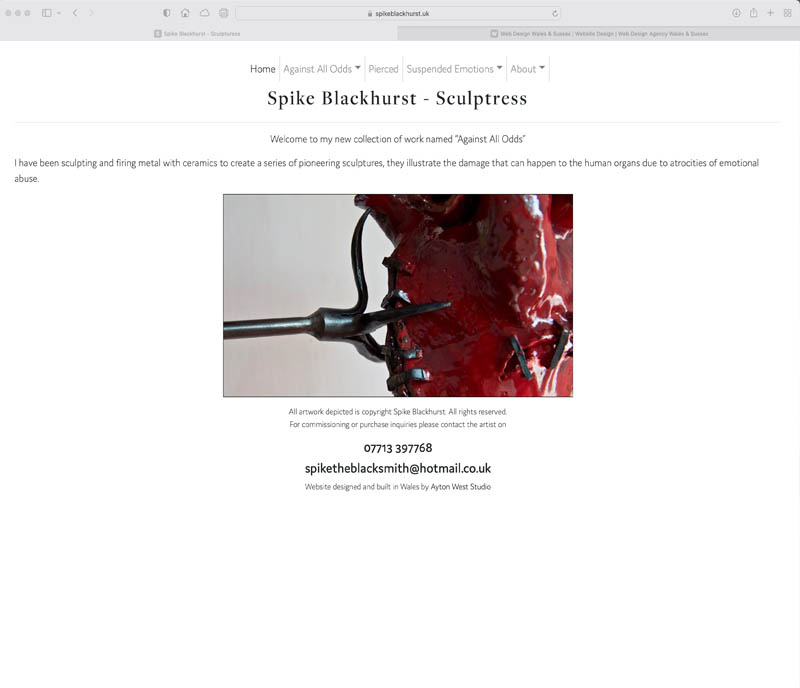
Your website should explain what you do, who it is for, why someone should trust you, and how to contact you. That sounds obvious, but many small business sites still bury the offer under vague copy, cluttered design, or slow pages.

At a minimum, the site should have:

  • a clear headline tied to a real service or outcome
  • fast-loading pages on mobile
  • visible contact details
  • location or service-area clarity
  • a focused primary call to action
  • pages built around actual services, not generic filler

A custom domain and a proper business email setup also matter more than many owners think. They are not just admin details. They are trust infrastructure.

Build discoverability before chasing more channels

A lot of businesses jump straight into social posting because it feels active. In practice, search usually gives you a better long-term return because it captures existing demand.

SEO, local SEO, and listings

If people are already searching for your service, your first job is to be visible when that demand appears. That means giving each core page a clear topic, matching pages to real search intent, and removing technical issues that make the site harder to crawl or slower to use.

For local businesses, this also means getting the basics right beyond the site:

  • Google Business Profile
  • consistent business name, address, and phone details
  • accurate opening hours
  • relevant service categories
  • up-to-date photos
  • review acquisition and responses

This is where many businesses leak trust. The website says one thing, the profile says another, directories are outdated, and nobody has reviewed the business in months. That inconsistency weakens both ranking signals and buyer confidence. If local discovery is important to your business model, the next layer is to strengthen local visibility rather than treat local SEO as an afterthought.

Add trust signals that remove friction

Being found is only the first half of the job. Buyers still need reasons to believe you are credible.

The strongest trust signals are usually simple:

  • recent reviews
  • clear pricing or pricing logic
  • real project examples
  • named services with specific outcomes
  • clean design
  • secure browsing
  • fast mobile experience
  • professional contact paths

Notice what is missing from that list: vanity metrics. A business with 12 strong reviews, a solid service page, and obvious contact options will often outperform a louder brand with weak proof and messy pages.

This is also why reviews should not sit in isolation. A review strategy works best when it supports the exact pages and services you want people to choose.

Use content to answer real buying questions

Content should not exist just to “post regularly.” That is one of the fastest ways to produce low-value pages that rank for nothing and convert poorly.

Useful content sits between awareness and action. It helps a visitor move from uncertainty to clarity.

The best topics usually come from questions like:

  • How much does this service cost?
  • Is it worth paying for?
  • What is the difference between option A and option B?
  • How long does it take?
  • What should I fix first?
  • What mistakes should I avoid?

That is the material that builds authority. It also creates natural internal-link paths back into service pages, local pages, and conversion pages.

Tool content can support this strategy, but only if it stays practical. Do not list 20 platforms just to look comprehensive. Show people how to choose the right SEO stack for their stage, budget, and reporting needs.

Social media helps, but it is rarely the foundation

Social can support digital growth, but for many SMEs it is a secondary amplifier, not the engine.

Use social when it helps with one of these jobs:

  • distributing useful content
  • showing recent activity
  • reinforcing brand personality
  • reusing testimonials, case studies, and short proof-led updates
  • keeping warm audiences engaged

Do not expect social to carry the whole system if the site, offer, and search visibility are weak. In most cases, a business with a strong site and clear SEO structure gets more compounding value than one publishing daily with no solid destination to send people to.

When paid ads help and when they do not

Paid ads are useful when you need speed, testing, or short-term lead flow. They are especially helpful for:

  • validating offers
  • testing landing page messaging
  • filling short-term pipeline gaps
  • supporting high-intent commercial pages

They are much less useful when the fundamentals are broken. Sending paid traffic to a weak page usually just helps you waste money faster.

A good rule is simple: if the page would struggle to convert warm organic traffic, it probably is not ready for colder paid traffic either.

The mistakes that stall digital growth

Most businesses do not fail because they lack tools. They fail because they mis-sequence the work.

Common mistakes include:

Trying to grow everywhere at once

This spreads effort too thin. One strong website, a working local presence, a basic review engine, and a few good pages usually beat scattered activity across six channels.

Choosing activity over leverage

Posting, tweaking logos, and adding new platforms can feel productive. Often they do less than improving one service page, fixing local signals, or rewriting a weak homepage offer.

Publishing content without intent

If a blog post does not answer a real question or support a commercial journey, it becomes dead weight.

Ignoring trust friction

Slow load times, thin service pages, outdated business details, free email addresses, and weak proof quietly kill conversions.

Buying tools too early

Software does not create clarity. It only helps if the workflow, goals, and priorities are already defined.

A practical 90-day plan

You do not need a massive digital overhaul to make progress. You need the right order.

Month 1: Fix the foundation

  • clarify your core offer
  • improve the homepage and primary service pages
  • tighten mobile speed and layout issues
  • set up or clean up Google Business Profile
  • standardise business details across key platforms
  • move to a professional domain and email setup if needed

Month 2: Improve discoverability

  • map one primary keyword/theme to each important page
  • create or improve local landing pages where relevant
  • clean title tags, meta descriptions, headings, and internal links
  • start requesting reviews in a repeatable way
  • identify 5 to 10 real customer questions for content

Month 3: Add growth layers

  • publish practical decision-stage content
  • repurpose strong content into email and social
  • test one paid campaign only after the landing page is credible
  • review analytics for traffic quality, not just raw sessions
  • double down on pages that attract the right visitors

Final takeaway

Digital presence grows fastest when you stop treating it like a branding exercise and start treating it like a trust-and-discovery system.

The winning order is usually the same: build a credible website, make yourself easy to find, remove trust friction, publish content that answers buying questions, and only then add more channels or more tools.

That is what compounds. Not noise. Not random posting. Not another platform you will not maintain.

If your business gets those basics right, digital growth becomes much more predictable.